
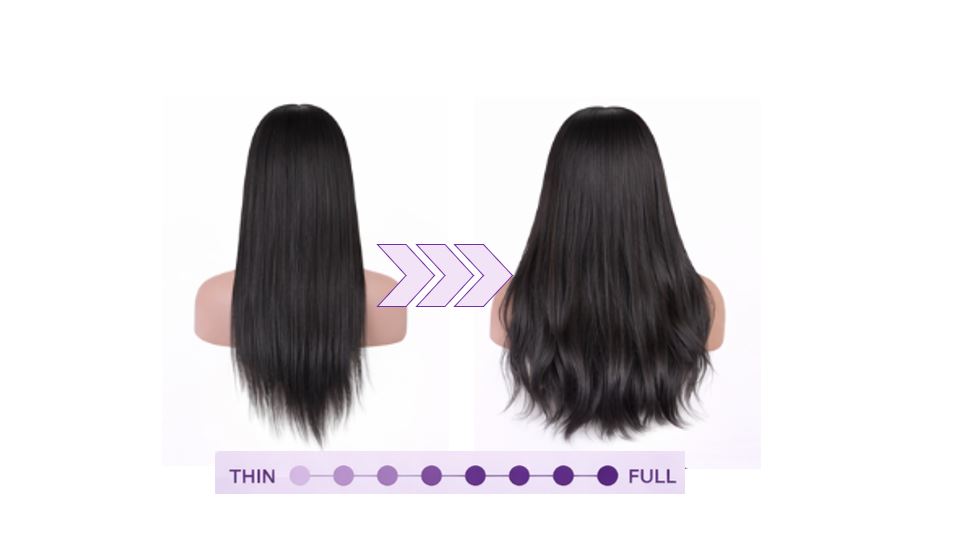
When shopping for a wig or learning how to construct one, many people focus on the hair color, length, or lace type. While those factors certainly matter, one of the most important elements of a natural-looking wig is density.
Wig density determines how full or thick the hair appears on the wig cap. Choosing the wrong density can make even the highest-quality wig look unnatural. A density that is too low may make the wig appear thin or sparse, while a density that is too high can look bulky, unrealistic, or difficult to style.
Professional wig makers and hairstylists understand that density plays a crucial role in achieving a balanced, realistic, and flattering hairstyle.
In this blog, we will explore everything you need to know about wig density, including:
- What wig density actually means
- Why wig density matters for natural looking wigs
- Common wig density levels explained
- How density affects styling and comfort
- How professionals choose density when constructing wigs
- Tips for selecting the best density for your face shape and hair goals
Whether you are a DIY wig maker, professional stylist, or wig enthusiast, understanding wig density will help you achieve better results.
What Is Wig Density?
Wig density refers to how much hair is ventilated, sewn, or injected into the wig base. In simple terms, density measures the fullness or thickness of the hair on the wig.
Unlike natural hair, where density varies from person to person, wigs are usually categorized into percentage-based density levels.
These density levels represent how much hair is used compared to what manufacturers consider “standard” fullness.
For example:
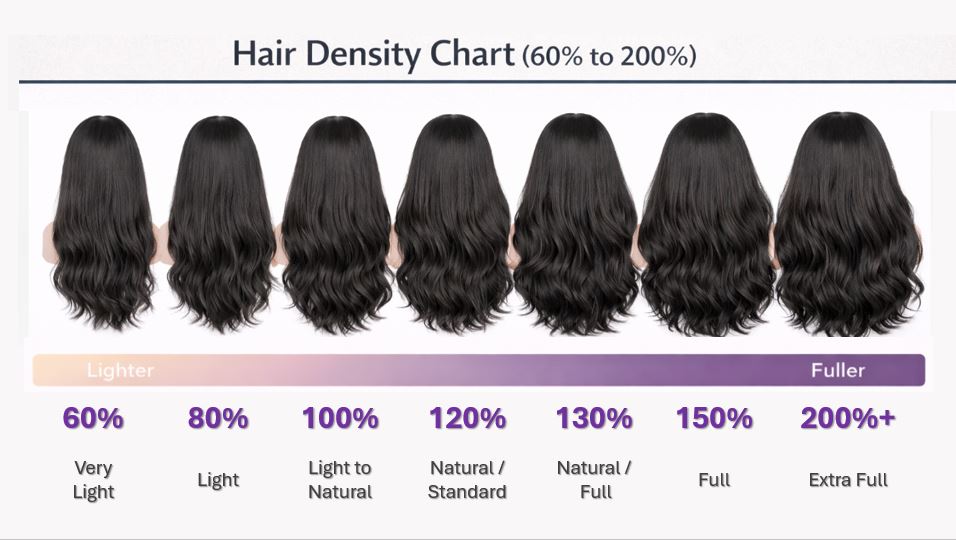
The density percentage does not refer to the thickness of each hair strand. Instead, it reflects how many strands of hair are placed throughout the wig cap.
A wig with higher density contains more hair fibers, which creates a fuller appearance.
Why Wig Density Matters
Many people underestimate the importance of wig density, but it affects nearly every aspect of how a wig looks and feels.
Understanding density can help you avoid wigs that appear unnatural or difficult to manage.
Here are the key reasons why wig density matters.
(1) Density Determines How Natural a Wig Looks
The primary goal of most wig wearers is to achieve a natural, believable hairstyle. If the density of a wig does not mimic realistic hair growth patterns, the wig may appear artificial.
For example:
- A wig with too much density at the hairline can look bulky or obvious.
- A wig with too little density throughout the cap may appear thin and uneven.
Professional wig makers carefully adjust density to mimic how hair naturally grows from the scalp.
In natural hair:
- The hairline is typically lighter.
- The crown has moderate density.
- The sides may be slightly fuller.
(2) Density Affects Wig Comfort
The density of a wig can also impact how comfortable it feels during wear.
Higher density wigs contain more hair, which means:
- More weight
- Less airflow
- More heat retention
For people who wear wigs for extended periods, choosing an overly dense wig can lead to discomfort.
Lower density wigs are be:
- Lighter
- Cooler
- Easier to manage
This is why many everyday wig wearers prefer moderate density levels.
(3) Density Influences Styling Options
The density of your wig will determine how easily it can be styled.
Higher density wigs allow for:
- Big curls
- Glamorous volume
- Dramatic hairstyles
However, they may require more styling effort.
Lower density wigs often provide:
- Softer movement
- Natural draping
- Effortless styles
Many stylists choose density based on the desired hairstyle.
For example:
A sleek bob may look best with moderate density, while a voluminous curly style benefits from higher density.
(4) Density Impacts Wig Longevity
Wigs with proper density maintain their appearance longer.
If density is too low, the wig will show signs of thinning quickly.
If density is too high, excessive hair weight will cause stress on the wig base.
Professional wig makers carefully balance density to ensure the wig maintains durability and style integrity over time.
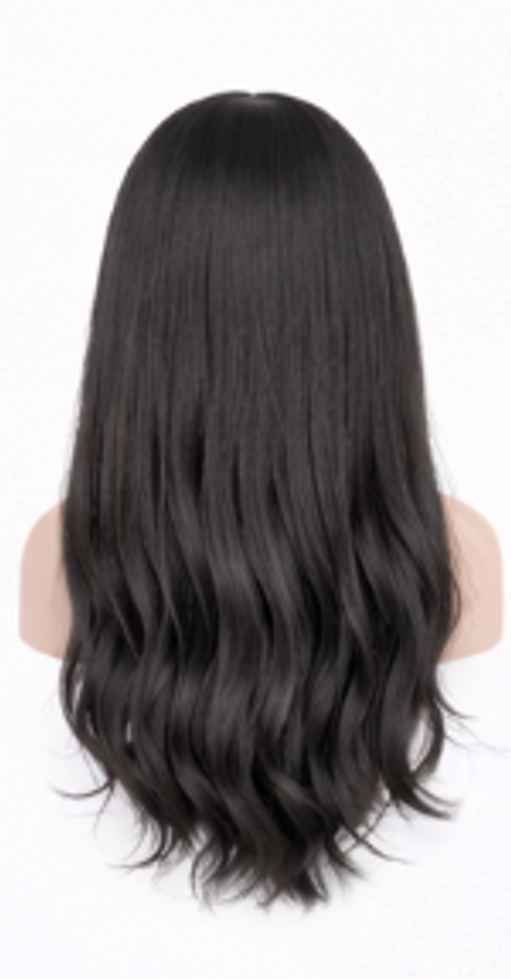
60% – 80% Density (Extra Light to Light)
60% density wigs are considered extremely light.
These wigs resemble the hair density of someone experiencing thinning hair.
Characteristics:
- Very lightweight
- Minimal fullness
- Extremely natural appearance
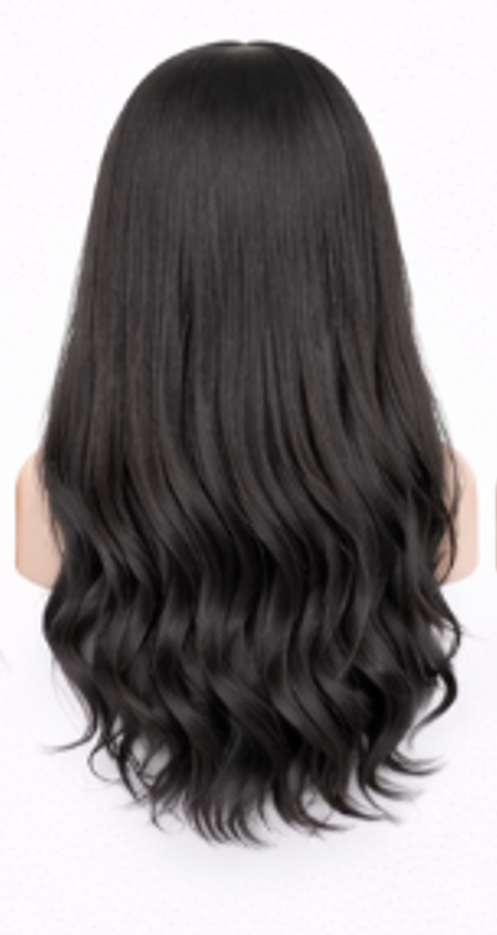
100% Density (Light to Natural)
100% density wigs offer slightly more fullness while still appearing natural.
They provide a delicate appearance that mimics lighter natural hair.
Characteristics:
- Natural movement
- Soft volume
- Lightweight feel
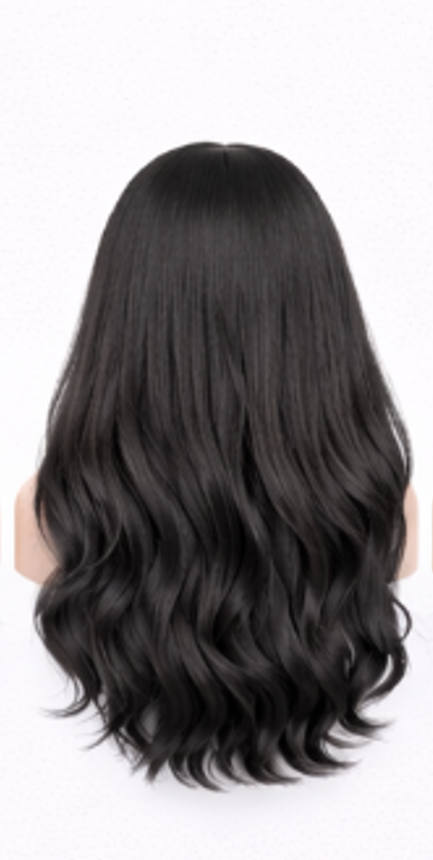
120% – 130% Density (Natural – Standard to Natural – Full)
This density range is often considered the most natural and versatile density level.
Many wig makers use this density as a standard reference point.
Characteristics:
- Balanced fullness
- Natural appearance
- Easy styling
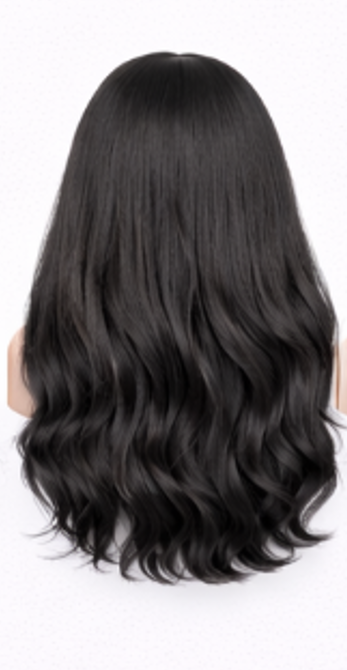
150% Density (Full)
150% density wigs provide noticeable fullness and volume.
They are often chosen by people who want thicker hair than their natural hair.
Characteristics:
- Fuller appearance
- Enhanced styling possibilities
- Glamorous volume
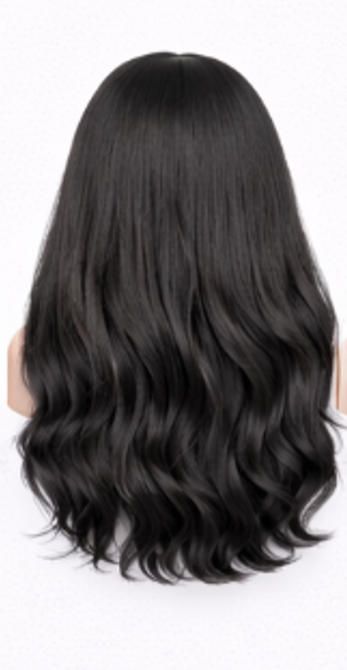
180% Density (Very Full)
180% density wigs offer dramatic fullness.
They are typically used for high-volume styles or stage looks.
Characteristics:
- Thick appearance
- High styling potential
- Noticeable volume
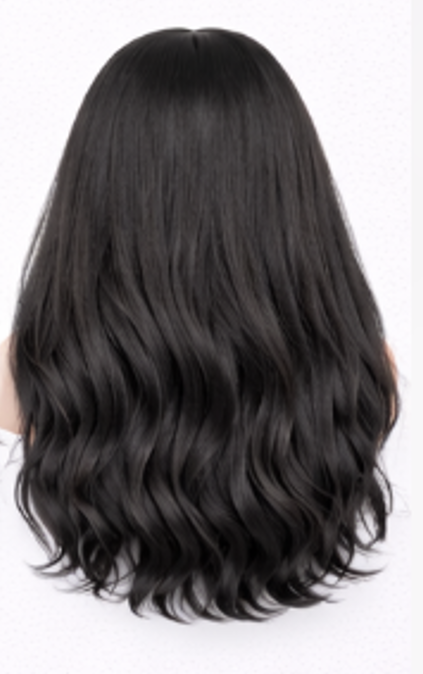
200%+ Density (Extra Full)
200%+ density wigs contain a very high amount of hair.
These wigs create extremely dramatic hairstyles.
Characteristics:
- Maximum volume
- Bold styling
- Dense appearance
How Professionals Customize Hair Density
Professional wig makers rarely apply the same density throughout the entire wig.
Instead, they carefully adjust density in different areas.
This technique creates a more realistic appearance.
Key density zones include:
- Hairline
- Crown
- Sides
- Nape
For example:
Hairline density is typically lighter to mimic natural hair growth.
The crown often has moderate density to support styling.
This approach creates the illusion that the hair is growing naturally from the scalp.
The Importance of a Natural Hairline Density
One of the most noticeable features of a wig is the hairline.
If the hairline density is too thick, the wig will appear unrealistic.
Professional wig makers reduce density near the hairline to create a soft transition between the forehead and the hair.
This often involves:
- single-strand ventilation
- lighter knotting techniques
- strategic placement of hairs
These techniques help achieve a natural hairline.
How Wig Density Affects Different Hair Lengths
Hair length plays an important role in determining appropriate density.
Long hair styles typically need slightly higher density to prevent the hair from appearing thin.
Short hairstyles, on the other hand, look best with moderate density.
For example:
A long, waist-length wig requires 150% density to maintain fullness.
A short bob looks most natural with 120%–130% density.
Balancing hair length and density is essential for achieving realistic results.
Choosing the Right Wig Density for Your Style
Selecting the best wig density depends on several factors.
These include:
- Your natural hair thickness
- Your desired hairstyle
- Your face shape
- Your lifestyle
For those seeking a natural everyday look, medium density levels are often ideal.
If you prefer glamorous or high-volume styles, higher density are more suitable.
Understanding your styling goals will help guide your choice
Wig Density and Face Shape
Face shape can also influence which density looks most flattering.
People with smaller facial features find extremely dense wigs overwhelming.
Moderate density can provide balance without overpowering the face.
Individuals with larger or more angular facial features prefer slightly fuller wigs.
Ultimately, the goal is to achieve harmony between the hair and facial proportions.
Common Wig Density Mistakes
Many wig wearers make mistakes when choosing density.
Some of the most common issues include:
- Choosing density that is too high
- Ignoring hairline density
- Selecting density that does not match hairstyle length
For example, a straight shoulder-length wig with extremely high density can appear bulky.
Learning how density interacts with other wig features can help avoid these issues.
Why Wig Makers Study Density Carefully
Professional wig makers spend years learning how to balance density properly.
When constructing a wig, they consider factors like:
- Hair direction
- Ventilation pattern
- Lace type
- Hair thickness
These details influence how the hair falls and moves.
By adjusting density carefully, wig makers can create wigs that look incredibly realistic.
When consulting with your client, it is important present a wig density chart or density ring to assist with selecting the desired density level.
Wig Density and Modern Wig Technology
Advances in wig construction have made it easier to create natural density patterns.
High-quality lace materials allow wig makers to ventilate hair in more precise ways.
Modern techniques include:
- graduated density
- custom hairlines
- multi-directional ventilation
These innovations help achieve wigs that closely mimic natural hair growth.
Wig density is one of the most important factors in achieving a natural and flattering wig.
It influences how the wig looks, feels, and styles.
By understanding density levels and how they affect the final result, wig wearers and wig makers can make better choices.
A well-balanced density can transform a wig from ordinary to extraordinary.
Discover the best hair density levels and ventilation methods for wig foundations –
 Wig Making Supplies, Tools and Techniques & Information Blog