Wigs tangle and mat when the hair becomes dry, rough, overly processed, or exposed to friction. As part of your daily wig care and wig maintenance routine, learn how to prevent wigs from tangling and matting.
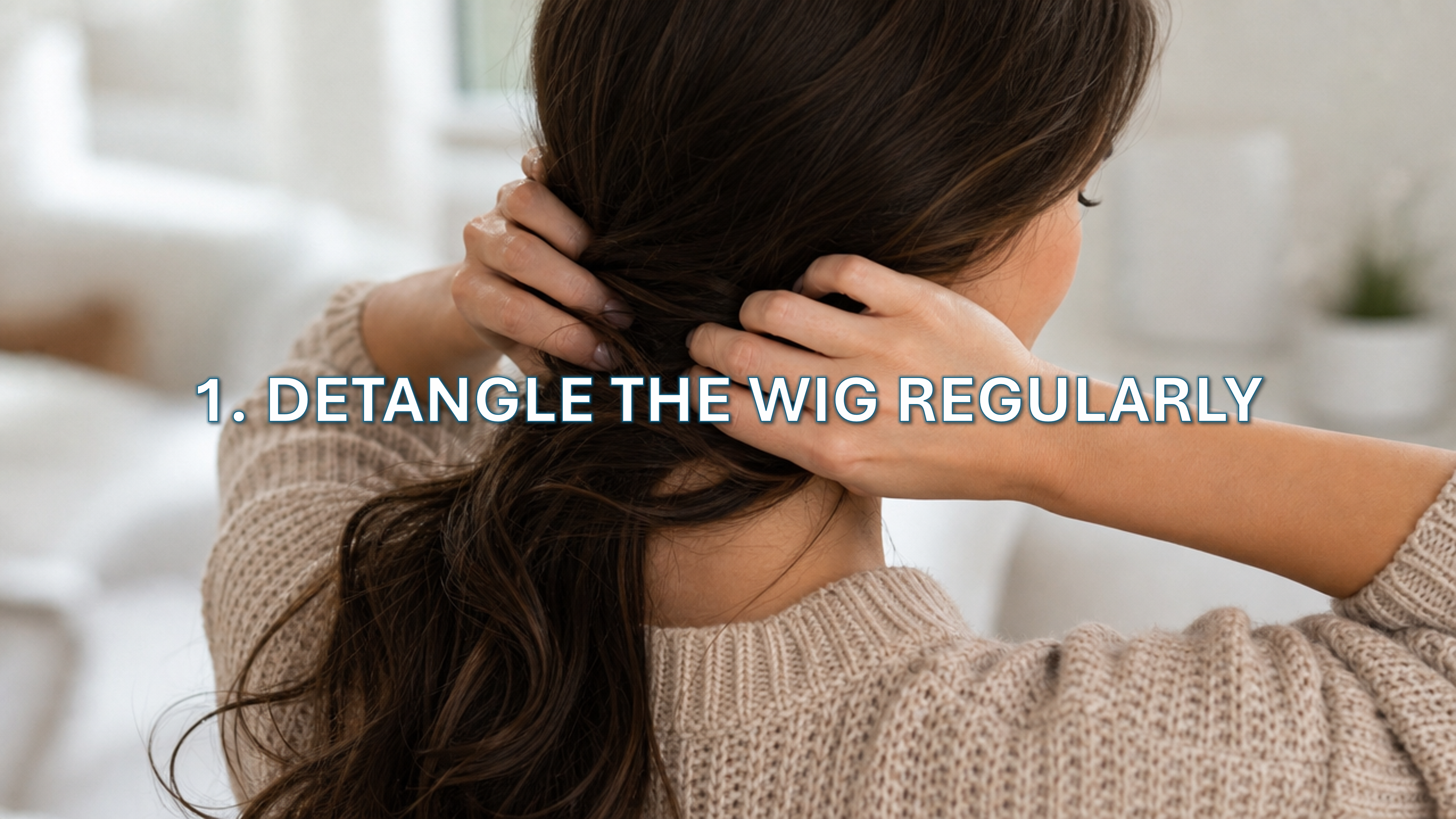
1. Detangle the wig regularly
Always detangle the wig before and after wearing it. Use a wide-tooth comb, paddle or wire wig brush, or loop brush made for wigs and extensions.
Start at the ends first, then slowly work your way up toward the roots or cap. Never start brushing from the top because it can push tangles downward and cause matting.
For curly, kinky curly, or textured wigs, finger-detangle first to avoid disturbing the curl pattern.
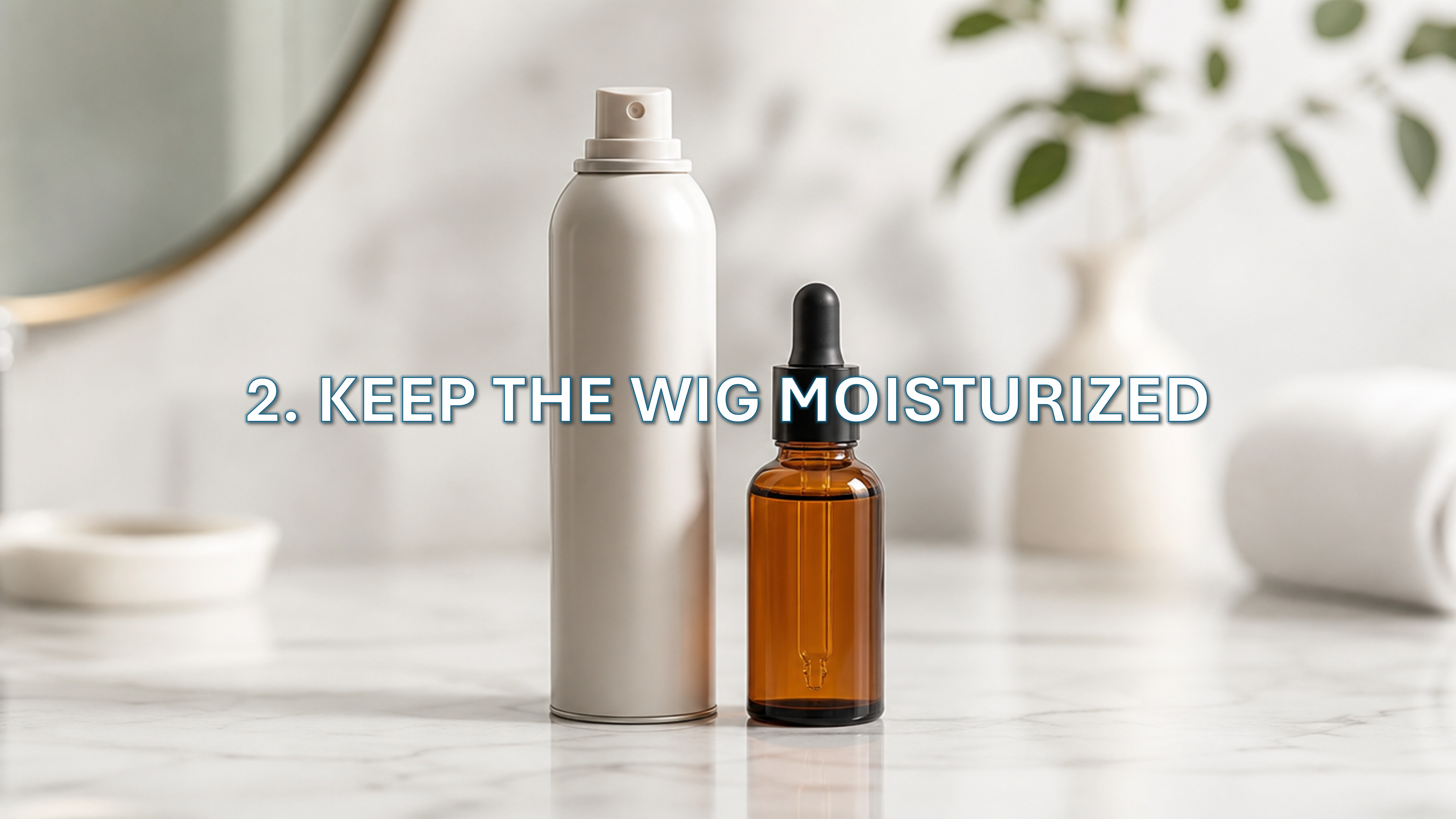
2. Keep the wig moisturized
Dry hair tangles faster. Lightly mist the wig with a leave-in conditioner, wig detangling spray, or a mixture of water and conditioner to keep the strands soft and manageable.
For human hair wigs, use lightweight moisturizing products. Avoid heavy oils, thick creams, and greasy products because they can cause buildup, attract dirt, and make the wig tangle more.
For synthetic wigs, use products specifically made for synthetic hair. Regular human hair products may coat the fibers and make them stiff or dull.
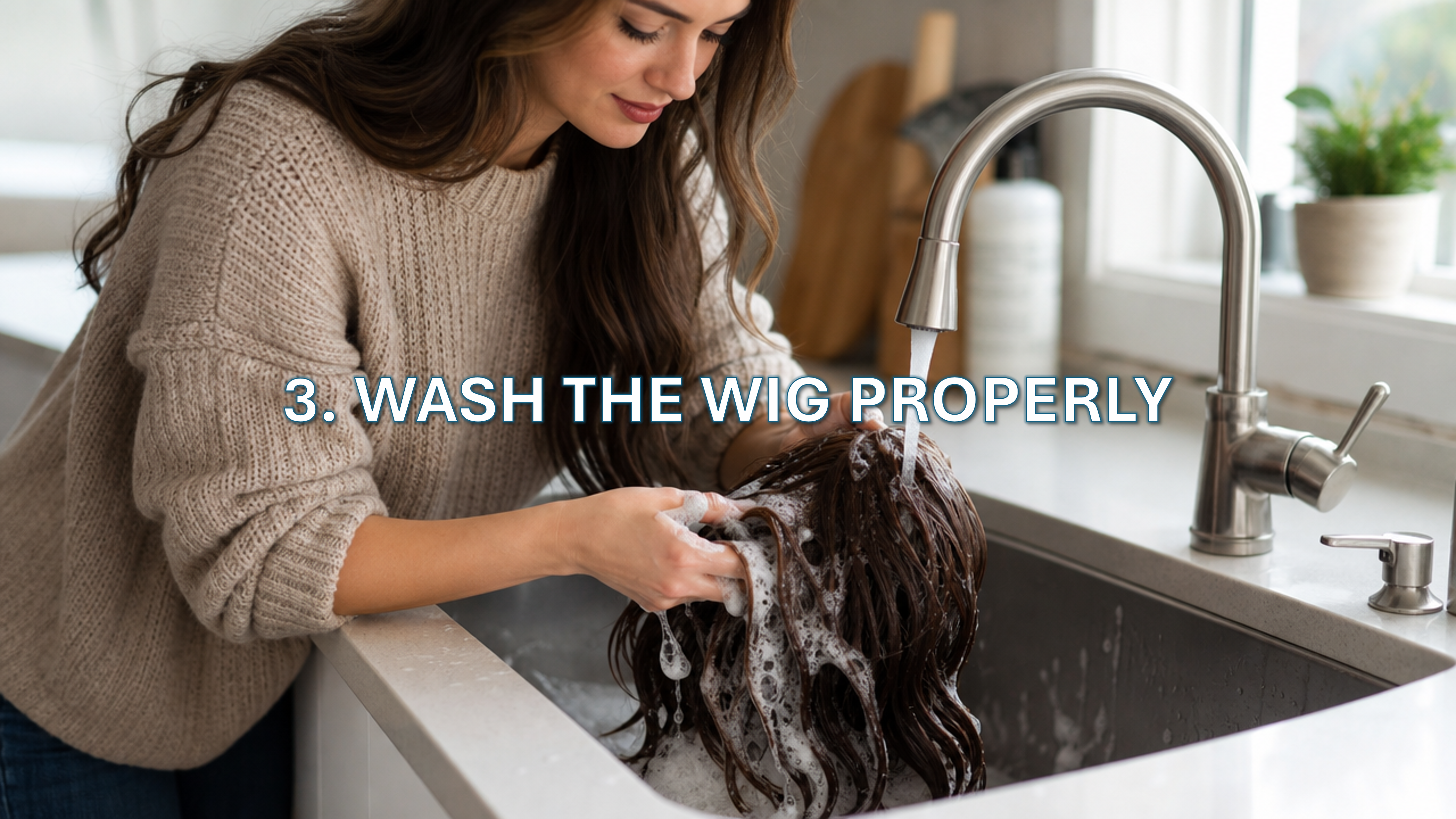
3. Wash the wig properly
Product buildup, sweat, and dirt can make wigs tangle. Wash the wig when it feels heavy, sticky, dull, or difficult to brush.
Use lukewarm or cool water and a sulfate-free shampoo. Gently smooth the shampoo downward through the hair instead of rubbing or scrubbing. Rubbing the hair together can cause knots.
After shampooing, apply conditioner mainly to the mid-lengths and ends. Let it sit for a few minutes, then rinse thoroughly.

4. Avoid sleeping in the wig
Sleeping in a wig creates friction against the pillow, which can cause tangling, matting, dryness, and shedding. It is best to remove the wig before bed and place it on a wig stand or mannequin head.
If you must sleep in the wig, braid the hair loosely, wrap it with a silk or satin scarf, and sleep on a satin pillowcase.
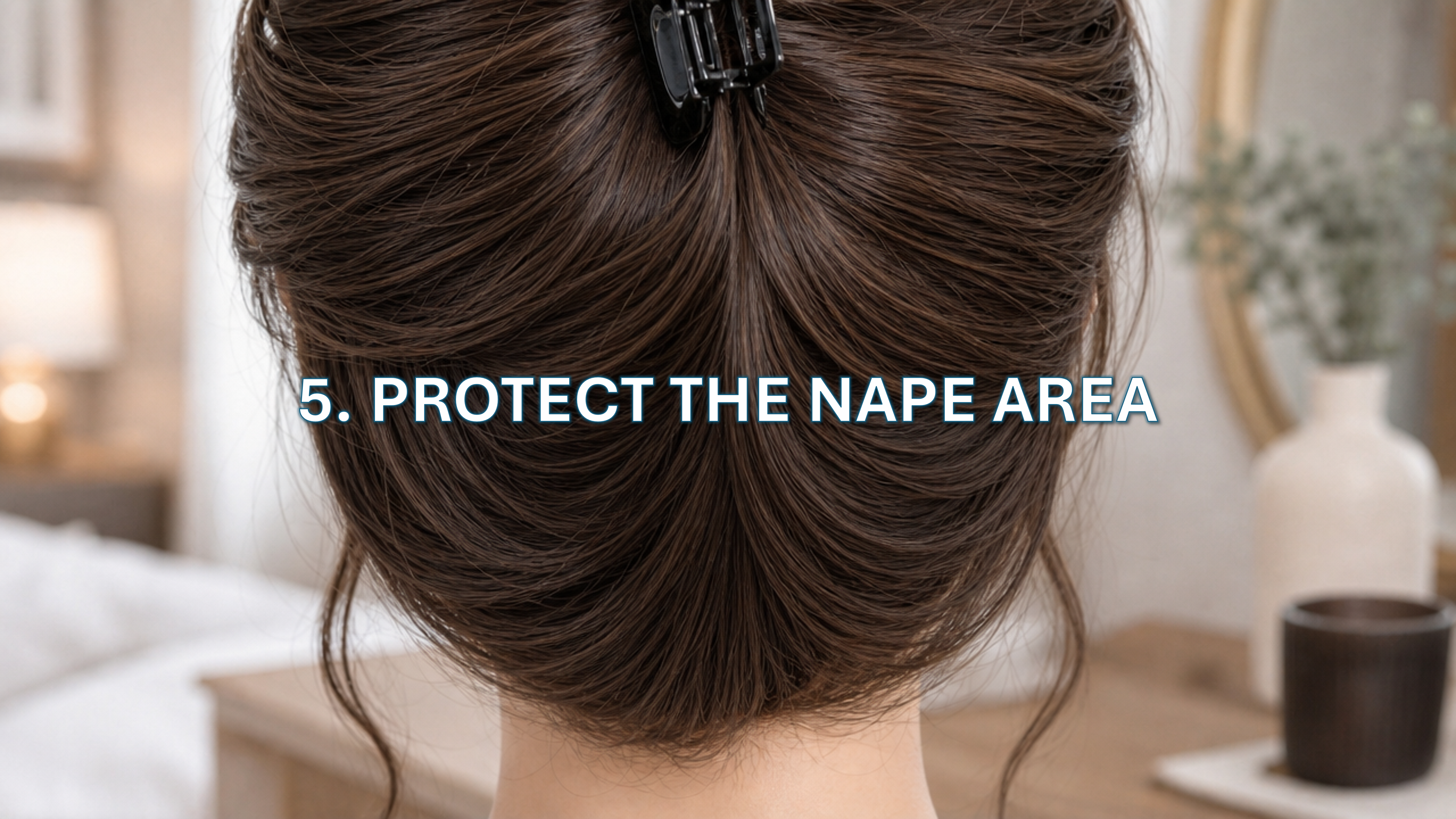
5. Protect the nape area
The nape of the neck is one of the most common areas for tangling because it rubs against clothing, skin, scarves, and collars.
To prevent nape matting:
- Keep the nape area brushed and moisturized.
- Avoid high collars, rough fabrics, and wool scarves when possible.
- Apply a small amount of lightweight serum to the ends and nape area.
- Detangle the nape throughout the day if needed.
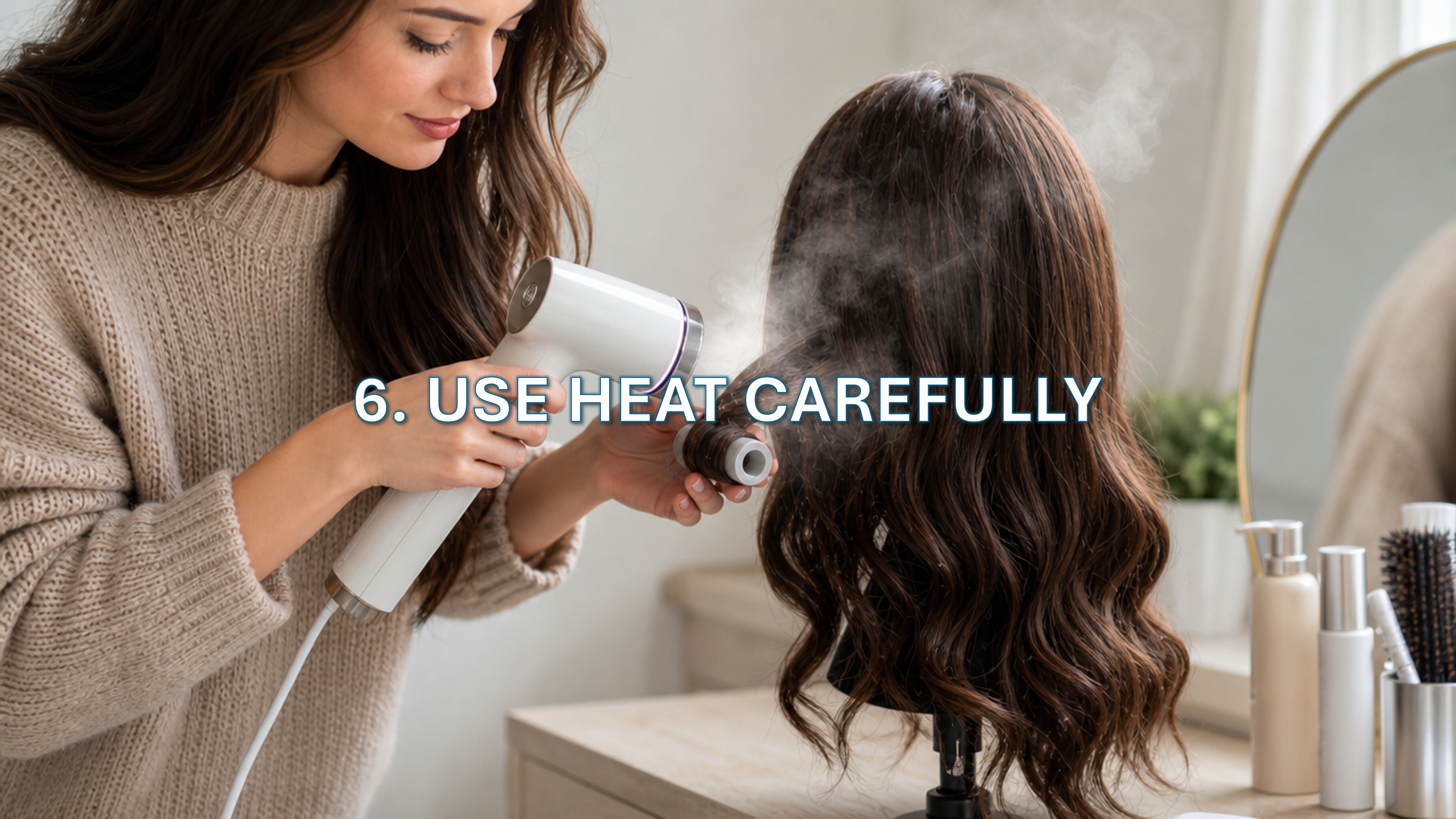
6. Use heat carefully
Too much heat can dry out human hair wigs and damage synthetic wigs. Dry, damaged strands are more likely to tangle.
For human hair wigs, use a heat protectant before flat ironing, curling, or blow drying. Keep the temperature moderate and avoid daily heat styling.
For synthetic wigs, only use heat if the wig is labeled heat-resistant. Otherwise, heat can melt or permanently damage the fibers.
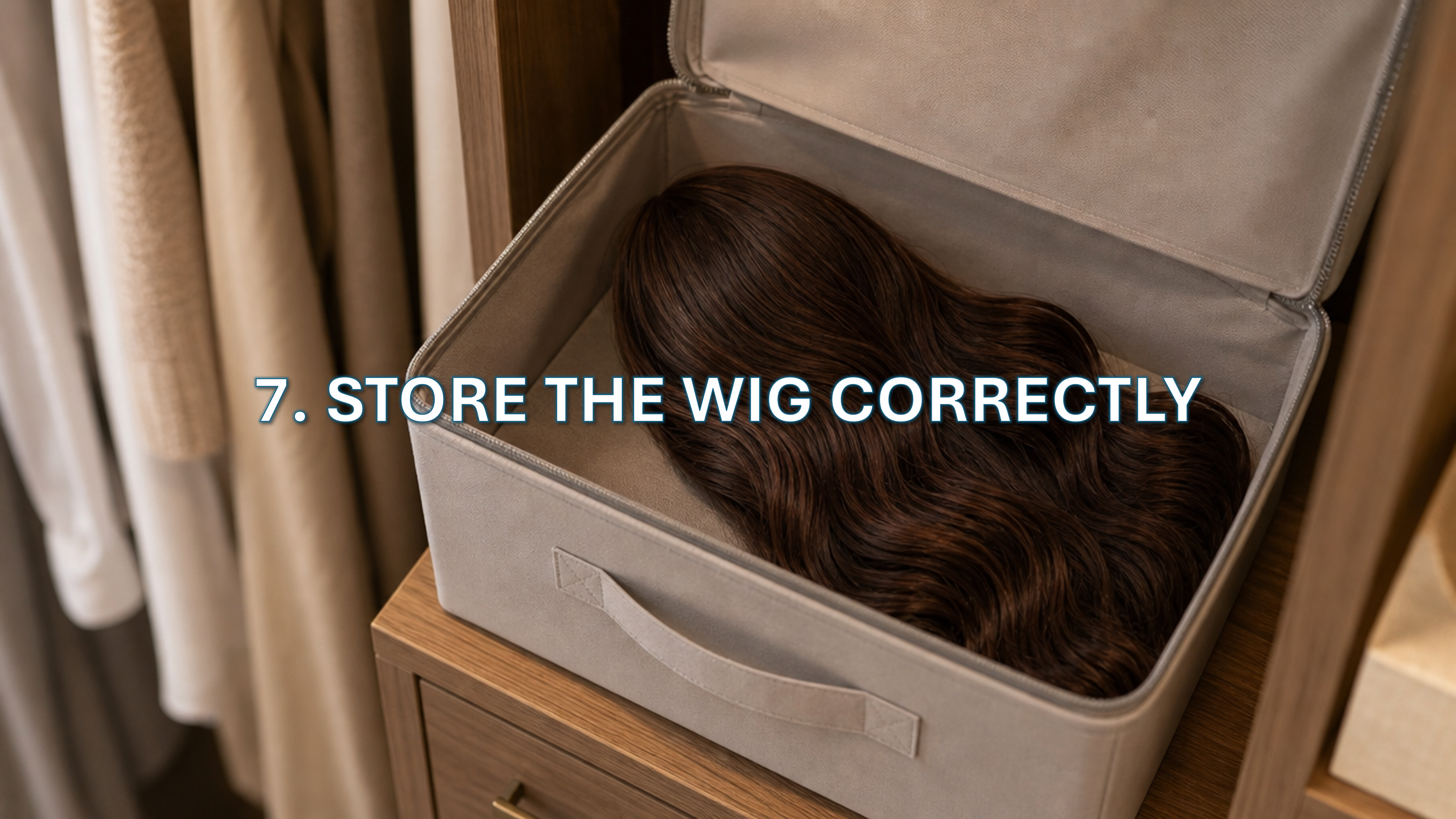
7. Store the wig correctly
Improper storage can cause tangles and flatten the style. After wearing, gently detangle the wig and place it on a wig stand, mannequin head, or inside a satin storage bag.
Make sure the wig is completely dry before storing it. Storing a damp wig can cause odor, mildew, tangling, and matting.
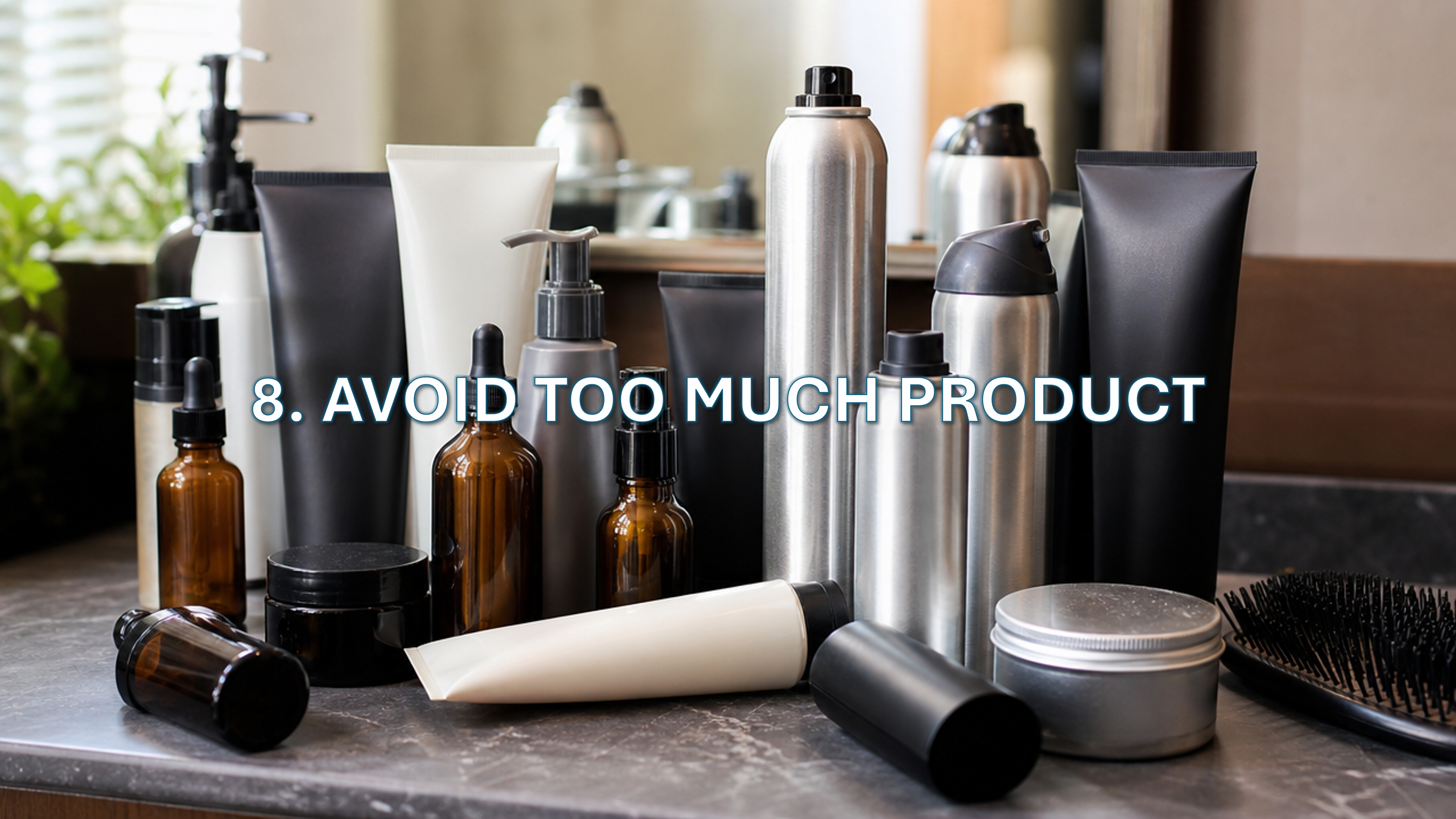
8. Avoid too much product
Using too many styling products can make the hair sticky and cause strands to cling together. This leads to tangling and buildup.
Use products lightly. A small amount of leave-in conditioner, detangling spray, or serum is usually enough. Avoid heavy gels, sticky sprays, and alcohol-based products.

9. Be extra gentle with longer wigs
Long wigs tangle more easily because the hair rubs against clothing and the body throughout the day. Brush long wigs more often, especially at the ends and nape area.
For long human hair wigs, a loose braid or low ponytail can help reduce friction while wearing the wig.
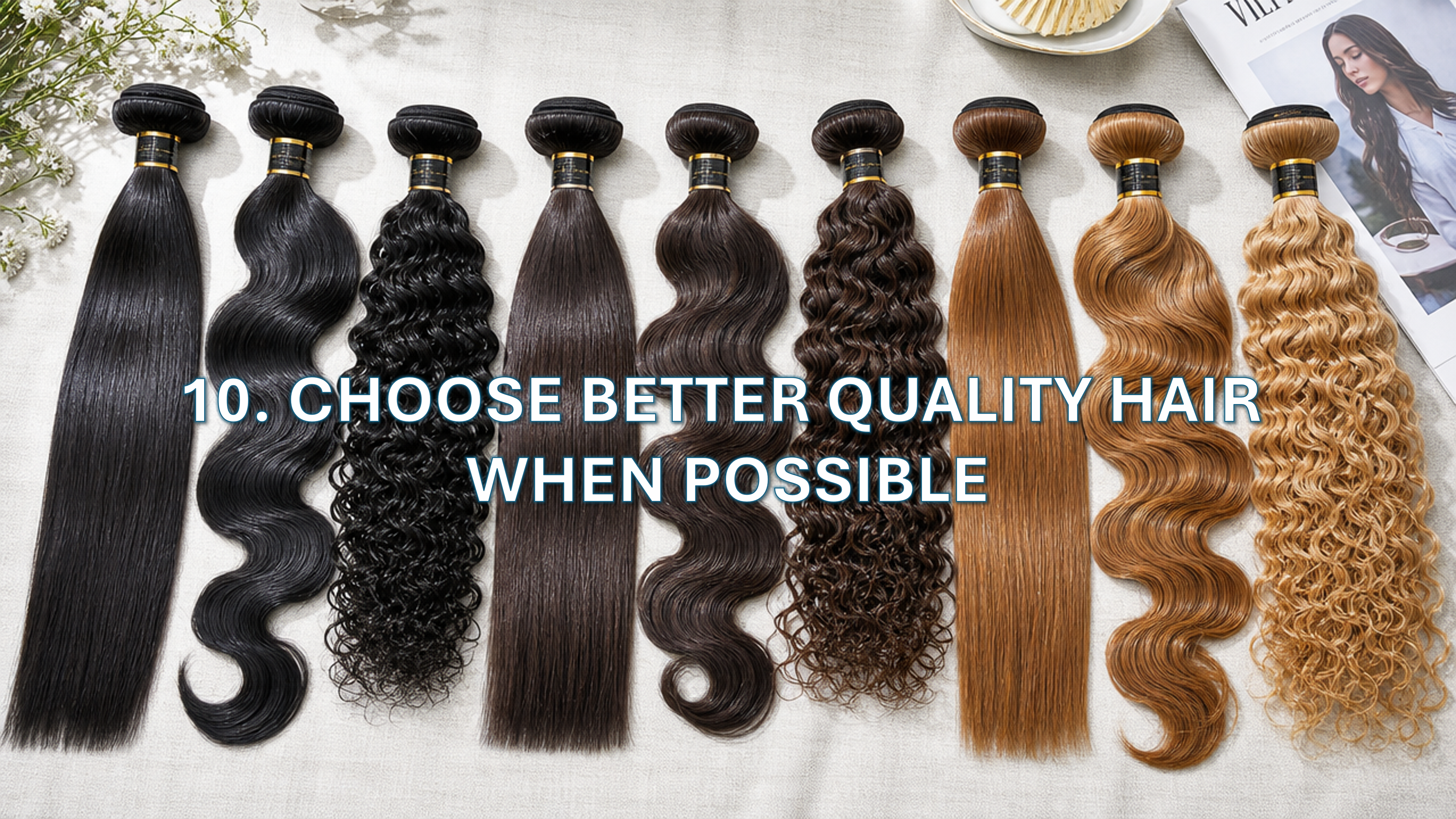
10. Choose better-quality hair when possible
Lower-quality hair, non-Remy hair, overprocessed hair, and dry synthetic fibers tend to tangle faster. Remy human hair wigs usually tangle less because the cuticles are aligned in the same direction.
However, even high-quality wigs can tangle if they are not maintained properly.

